Primer · Leaks
Using Your Water Meter to Find Leaks
Your water meter is the quietest leak detector in the house. A two-hour test tells you whether water is escaping when everything is off.
- Plain steps you can do yourself, safely
- Clear signs for when to stop and call
- Written for Newmarket houses and water
- A plumber on the phone if it goes sideways
What goes wrong in the pipes
Small leaks rarely announce themselves. A toilet flapper that seeps, a dripping irrigation valve or a pinhole in a buried line can waste thousands of litres before anyone notices. Newmarket bills water by metered use, so a hidden leak shows up on the bill first. Checking the meter costs nothing and takes very little effort.
Have these on hand
- Flashlight
- Adjustable wrench
- Towels and a bucket
- Our number on the panel door
Hands-on steps
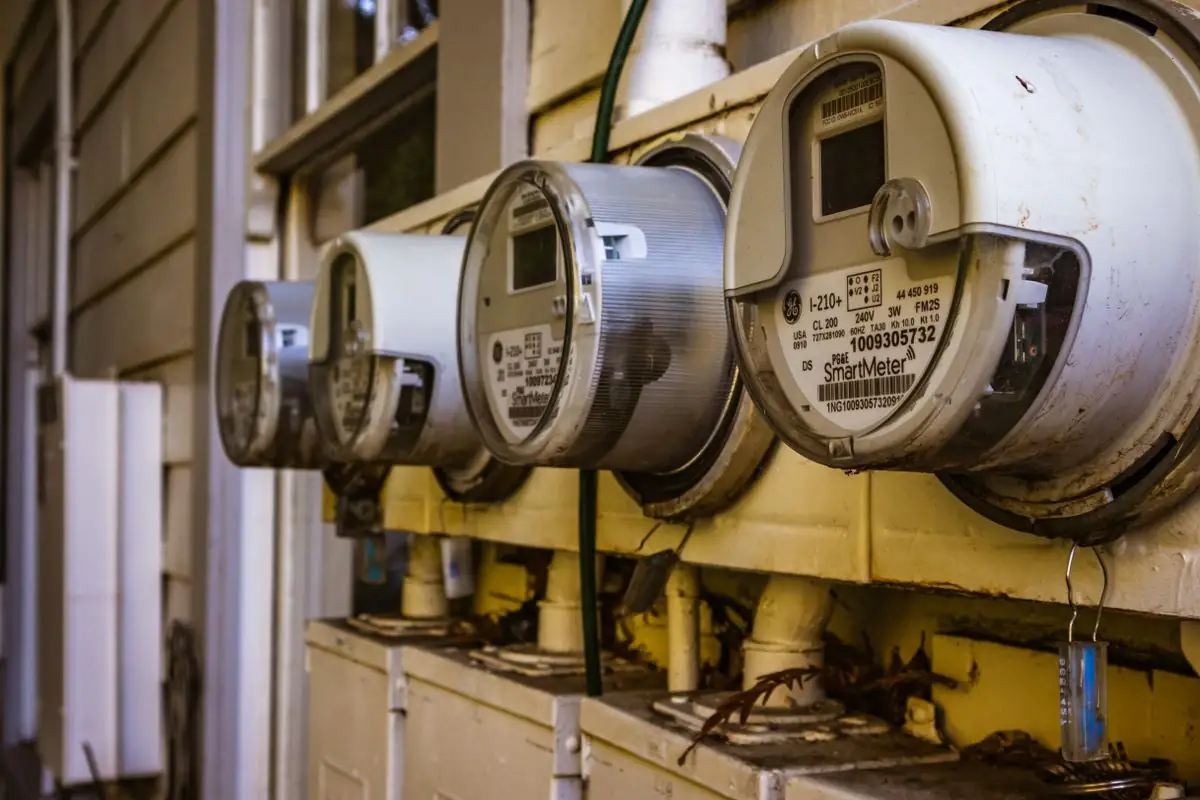
- Find the meter. In most Newmarket homes it is in the basement near where the water line enters, often by the front wall.
- Look for the leak indicator. Many meters have a small triangle or star dial that spins when even a trickle passes through.
- Turn off every water use. No taps, dishwasher, washer, ice maker or irrigation. Make sure nobody flushes.
- Watch the indicator. If it moves, water is flowing somewhere.
- Do a longer test. Write down the full reading, avoid using water for two hours, then read it again. Any change means a leak.
- Narrow it down. Close the shut-offs under toilets one at a time; if the indicator stops, you have found the culprit. Next, close the house main just past the meter: if the dial still moves, the leak is between the meter and the street side valve.
Mistakes that turn a small repair big
- Forgetting a water softener regenerating or a humidifier drawing water during the test.
- Reading the large dials only; slow leaks may only move the smallest one.
- Assuming no visible water means no leak. Water can drain into the soil or a floor drain unseen.
Common culprits we find
- Toilet flappers that no longer seal, especially in rarely used bathrooms.
- Water softeners stuck in regeneration.
- Humidifiers on the furnace with a sticky valve.
- Irrigation valves that leak underground.
- Pinholes in copper lines running through a slab or a finished ceiling.
Most of these are modest repairs once found. The hard part is noticing them, and that is what the meter is for.
Make it a routine
Do the two-hour test twice a year, perhaps when you change the furnace filter or clocks. Keep a note of the readings. A sudden jump in water use on your bill, compared with the same season last year, is also worth investigating even before you test.
When to put the tools down and call
If the meter moves and you cannot find the cause, call (365) 517-0623. A professional leak detection visit can locate leaks inside walls or under slabs. Replacing a worn toilet is often cheaper over time; see toilet installation. A dishwasher inlet hose can drip slowly behind the cabinets; our dishwasher hookup page explains. Planning repairs that need permits? Review plumbing permits in Newmarket.
Asked on site
Who fixes a leak between the meter and the street?
The homeowner is generally responsible for their side of the service line. Trouble on the municipal stretch belongs to the Town to repair.
How much water does a running toilet waste?
It can be a substantial amount per day, enough to be noticeable on a bill.